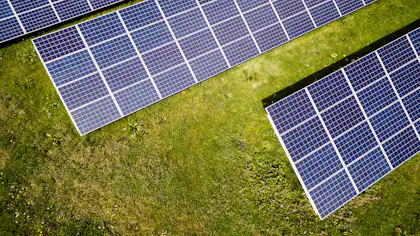
Electric utility rate increases have surged across the United States, with power companies in California, the Northeast, and the Midwest implementing double-digit rate hikes. In response, millions of homeowners are evaluating rooftop photovoltaic solar arrays. With the federal Residential Clean Energy Credit (Section 25D) secured at 30%, understanding the true return on investment (ROI) is crucial before entering a lease or purchase agreement.
The Critical Role of Home Battery Storage
Under modernized net energy metering frameworks (such as California’s NEM 3.0), utility companies no longer pay retail rates for surplus electricity pushed back to the grid during daytime hours. Pairing rooftop solar panels with a home battery storage system (such as Tesla Powerwall or Enphase) allows you to store free daytime solar power and consume it during high-priced peak evening hours, maximizing your energy independence.

Buying vs. Solar Power Purchase Agreements (PPAs)
Be cautious of door-to-door sales representatives offering “free solar panels.” These programs are typically third-party leases or PPAs where the leasing company claims the valuable 30% federal tax credit while placing a multi-decade lien on your roof. Direct purchasing or low-interest financing ensures you own the equipment, claim the tax credit, and boost your home’s appraisal valuation without complicating future home sales.
Frequently Asked Questions (FAQ)
Does the solar tax credit roll over if I don’t owe enough taxes this year?
Yes. If your 30% credit exceeds your federal tax liability for the installation year, the remaining unused credit balance rolls forward into subsequent tax years.
Do solar panels increase my property taxes?
Over 35 states have enacted statutory property tax exemptions that prohibit assessors from increasing real estate taxes based on the added value of rooftop solar arrays.